Introduction
In today's busy world, where development and entrepreneurship reign supreme, the class has developed into an incubator of concepts and ventures. Creating a Helpful Environment for Aspiring Business Owners in the Classroom is not practically teaching students how to compose a business plan or pitch an idea. It has to do with cultivating a mindset that motivates creativity, durability, and problem-solving.
This post dives deep into the various methods and methods teachers can utilize to produce such an environment. We will check out tested pedagogies, effective entrepreneurship education, experiential knowing opportunities, mentorship programs, and much more. By the end of this piece, you will have an extensive understanding of how to nurture the next generation of entrepreneurs right from your classroom.
Why Fantastic Business owners Frequently Originate From Great Classrooms: The Effect of Efficient Entrepreneurship Education
The Role of Education in Forming Entrepreneurs
Education plays an essential function in shaping aspiring entrepreneurs. It provides them the foundational knowledge and abilities they require to browse the intricate world of business. However what makes an educational environment really effective?
- Curriculum Design: A curriculum that integrates real-world difficulties assists trainees apply theoretical concepts to useful situations. Teacher Training: Educators who are fluent in entrepreneurial principles can much better guide their students. Support Systems: Schools that cultivate cooperation among trainees produce networks that can result in future partnerships.
The Shift Towards Entrepreneurial Mindsets in Education
Gone are the days when rote memorization controlled class. Today's educational structures emphasize vital thinking and development. This shift prepares trainees not just for work however likewise for producing opportunities.
- Skill Advancement: Programs focused on developing soft abilities such as communication, management, and team effort are essential. Entrepreneurial Thinking: Encouraging students to think like entrepreneurs-- identifying problems and creating services-- is crucial.
Success Metrics: How Do We Determine Impact?
Evaluating the effectiveness of entrepreneurship education is challenging but needed. Metrics might consist of:
Student engagement levels Number of start-ups released by graduates Progression into entrepreneurial rolesProven Pedagogies: What Research States About Teaching the Entrepreneurial Mindset and Skillset
Research-Backed Techniques for Teaching Entrepreneurship
There's no one-size-fits-all approach to mentor entrepreneurship, but certain pedagogies have actually shown effective:
- Project-Based Learning (PBL): Trainees deal with real-world projects over a prolonged period. Collaborative Learning: Working in groups promotes sharing concepts and varied perspectives.
Case Studies: Successful Programs Around the World
Numerous universities have effectively incorporated entrepreneurship into their curricula:
Babson College: Understood for its focus on entrepreneurship education. Stanford University: Deals extensive resources for start-up culture.These institutions work as standards for implementing reliable strategies in any class setting.
Beyond the Lecture: How Experiential Knowing, Mentorship, and Startup Labs Drive Real Outcomes
Experiential Learning Opportunities
Experiential learning surpasses standard lectures; it immerses trainees in real-world situations:
- Internships: Offer hands-on experience in professional settings. Startup Labs: Create environments where trainees can develop business ideas collaboratively.
The Importance of Mentorship
Mentorship is vital for aiming business owners:
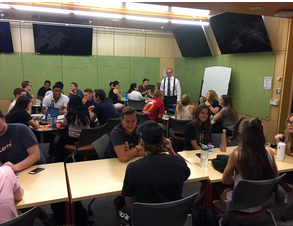
- Mentors provide assistance based on real-world experience. They help students develop networks that might benefit them long after graduation.
Teaching Development with Objective: Success Stories from Classrooms That Launch Genuine Ventures
Innovative Teaching Approaches That Work
Educators are employing ingenious techniques to teach entrepreneurship efficiently:
Flipped Class: Students discover content at home and participate in hands-on activities throughout class time. Design Believing Workshops: Encourage imaginative problem-solving through iterative processes.Highlighting Success Stories
Several class have actually successfully introduced endeavors through ingenious teaching methods:
- School A: Introduced a student-run coffee shop that teaches service management firsthand.
These success stories motivate both teachers and trainees alike.
From Knowing to Release: Assessing Entrepreneurial Preparedness Through Authentic, Outcome-Based Evaluation
Authentic Evaluation Methods
Traditional tests typically fail to examine entrepreneurial readiness successfully:
Portfolio Reviews: Display trainee work over time. Pitch Competitors: Examine trainee ideas based upon their presentation skills and service viability.Measuring Entrepreneurial Results Effectively
It's essential to determine not just understanding but likewise application:
- Track startups formed post-graduation.
This real-world application represents true entrepreneurial readiness.
The Gold Requirement in Entrepreneurship Education: Benchmarks, Best Practices, and Advancement Results
Defining Finest Practices for Entrepreneurship Education
Establishing standards helps teachers customize their programs effectively:
Curriculum must line up with market trends. Involve regional businesses as partners or sponsors.Breakthrough Results from Reliable Programs
Programs that comply with best practices often see significant results:
- Increased student engagement Higher rates of startup development post-graduation
FAQs
Q1: Why is developing a supportive environment crucial for aiming entrepreneurs?
A1: A helpful environment fosters creativity, durability, and collaboration among aspiring entrepreneurs which are important for their success.
Q2: What are some innovative teaching methods used in entrepreneurship education?
A2: Ingenious approaches include turned class, project-based knowing (PBL), and design thinking workshops which engage trainees actively.
Q3: How can mentorship impact striving entrepreneurs?
A3: Mentorship provides assistance based upon real-world experiences, assisting students navigate challenges while constructing important networks.
Q4: What metrics can be utilized to measure the effectiveness of entrepreneurship education?
A4: Metrics might consist of student engagement levels, number of start-ups released by graduates, or development into entrepreneurial functions post-graduation.
Q5: Can experiential finding out really drive results for striving entrepreneurs?
A5: Yes! Experiential knowing through internships or start-up laboratories allows trainees to use theoretical understanding virtually which improves their entrepreneurial skills.
Q6: How do we define authentic assessment methods?
A6: Genuine evaluation approaches involve assessing student portfolios or carrying out pitch competitors rather than relying exclusively on conventional exams.
Conclusion
Creating an encouraging environment for aspiring entrepreneurs in the class is not merely an academic endeavor-- it's about supporting future innovators who will change our world for generations Human Relations Course to come. Through efficient pedagogies like experiential knowing and mentorship programs combined with appropriate assessments, we can cultivate an ecosystem where young minds flourish artistically and entrepreneurially.
As educators devoted to fostering this environment, we need to continuously seek improvement by embracing finest practices grounded in research while commemorating our successes along the way. By doing so, we prepare our students not simply for tasks however empower them to create jobs-- a necessary contribution toward economic development and societal advancement!